
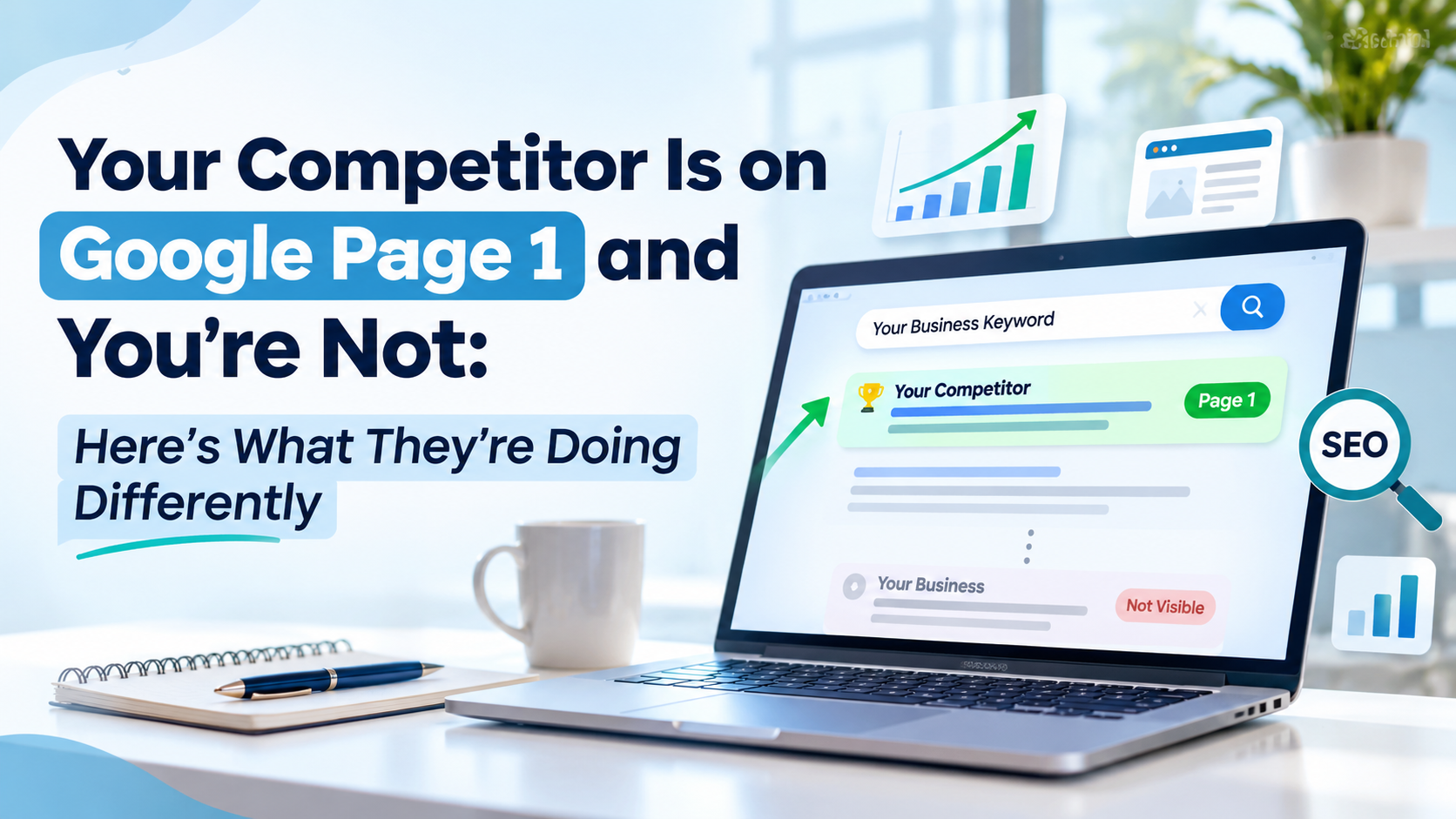
Have you ever searched for your main business keyword on Google and found your competitor ranking on the first page while your website is nowhere to be seen? It can be frustrating, especially when you offer similar services or even better solutions. The difference often comes down to how effectively they are using SEO services to improve their online visibility.
But what exactly are they doing differently? And more importantly, how can your business catch up?
1. They Understand What Their Customers Are Searching For
Your competitors may not necessarily have better products or services. They might simply understand their audience better.
Businesses that perform well on Google pay attention to the search terms their potential customers use. Instead of targeting only general keywords, they focus on specific searches that indicate what people actually need.
For example, someone searching for a service near them may be much closer to making a decision than someone searching for general information.
Understanding this difference helps businesses attract more relevant visitors instead of simply increasing website traffic.
2. Their Website Is Built for Both Users and Google
A website should do more than look attractive. It should make it easy for visitors to find information and understand what the business offers.
Your competitors may be paying attention to things such as:
- Easy navigation and clear website structure.
- Mobile-friendly page design.
- Fast page loading speed.
- Relevant service pages and useful content.
- Clear calls to action.
Even if your website looks professional, these factors can affect how visitors experience it and how effectively your pages perform in search results.
3. They Publish Content That Answers Real Questions
One major difference between websites that rank and those that struggle is content.
Your competitors may be publishing blogs, guides and service-related content that answers the questions their customers are already asking.
Instead of writing content just to add more pages to their website, they focus on topics that are relevant to their audience.
This gives Google more context about their business and creates additional opportunities for their website to appear in relevant searches.
4. They Build Their Website’s Authority Over Time
Ranking on Google is not only about adding keywords to a website. Search engines also consider several signals that help them understand a website’s relevance and authority.
Your competitors may be working on building quality backlinks, earning relevant business mentions and maintaining consistent online visibility.
These efforts can help strengthen a website’s overall SEO profile.
However, getting hundreds of random backlinks is not a shortcut to better rankings. Quality and relevance matter much more than simply increasing the backlink count.
5. They Don’t Treat SEO as a One-Time Activity
This could be one of the biggest differences.
Some businesses update their website, add a few keywords and expect immediate results. Their competitors, meanwhile, continue monitoring rankings, improving content, checking website performance and identifying new opportunities.
SEO requires consistency. Search trends change, competitors improve their websites, and Google updates its search systems.
Businesses that regularly review and improve their SEO strategy are better positioned to adapt to these changes.
6. They Have a Clear SEO Strategy
Successful competitors usually don’t depend on random SEO activities. Their efforts are connected through a planned strategy.
This may include keyword research, on-page optimisation, technical improvements, content creation, local SEO and quality link building.
A well-planned approach helps businesses understand what needs improvement and where to focus their efforts.
At CrazyChiefs, we help businesses identify SEO opportunities, improve website visibility and build strategies focused on sustainable organic growth.
So, How Can Your Business Catch Up?
If your competitor is already ranking on Google’s first page, it doesn’t mean your opportunity is gone. It simply means there may be areas of your website and SEO strategy that need attention.
Start by reviewing your current rankings, checking your website’s content, identifying technical issues and understanding which keywords your competitors are targeting.
The right SEO services can help you identify these gaps and create a more focused strategy to improve your website’s search visibility.
Remember, the goal is not just to reach Google’s first page. It’s to attract the right audience, generate relevant enquiries and turn online visibility into business growth.
Frequently Asked Questions
1. Why is my competitor ranking higher than my website on Google?
Your competitor may have better keyword targeting, stronger website content, quality backlinks, better technical SEO or a more consistent optimisation strategy.
2. How long does it take to rank on Google’s first page?
SEO timelines depend on keyword competition, website condition, industry and the work involved. Some improvements may show results earlier, while competitive keywords can take several months.
3. Can SEO help my business outrank competitors?
Yes. A well-planned SEO strategy can improve your website’s relevance, authority and visibility for searches related to your products or services.
4. Are backlinks important for Google rankings?
Quality and relevant backlinks can support website authority. However, they should be part of a broader SEO strategy rather than the only focus.
5. Why should I invest in professional SEO services?
Professional SEO services can help identify ranking opportunities, improve website performance, optimise content and build a consistent strategy for long-term organic growth.

Comments are closed